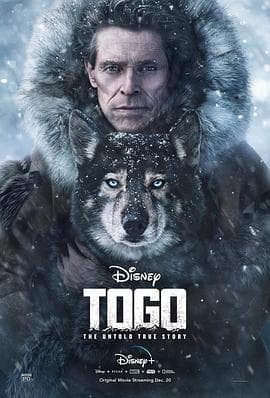
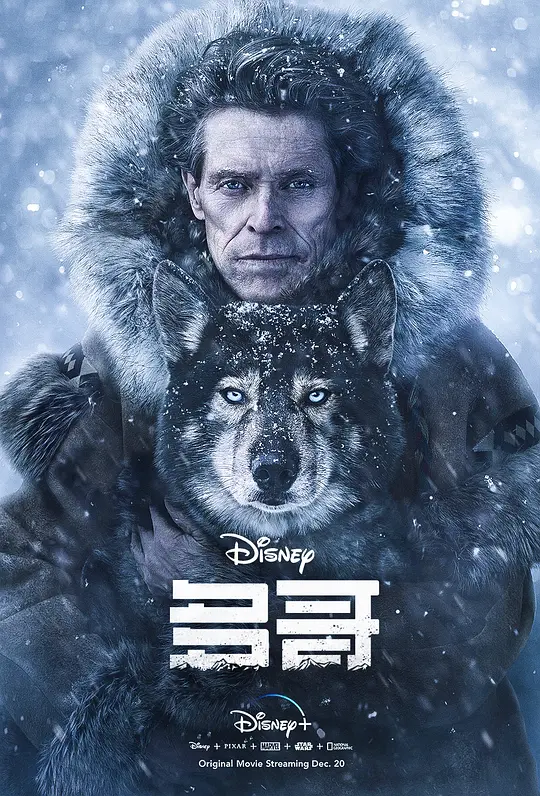
Focuses on the events in 1925 when mushers and sled dogs worked together to save the lives of children in Nome, Alaska, on the Serum Relay, known as the "Great Race of Mercy."
At the end of 1924, a 2-year-old child in Nome fell ill, and doctors diagnosed him with tonsillitis. This disease is usually not life-threatening, but this child became an exception. Many children were subsequently diagnosed with tonsillitis, and several died unfortunately. The doctor finally confirmed that the disease was diphtheria. At that time, there was a vaccine that could be used to treat diphtheria, but all the vaccines in Nome expired, and the new vaccine failed to arrive before the port was closed. The Baltic Sea would not thaw until June of the following year. There was no direct road to Nome, and there were no airplanes. The only channel for transporting goods was the postal route, but in winter only sled dogs could pass. The Health Bureau decided to use two groups of sled dog relays for transportation. 20 mushers and 150 sled dogs had to travel day and night, passing through rivers, across plains, through forests, and across the frozen Alaska Post Road. The nearest vaccine location is Nanna, which is 1,085 kilometers away from Nome. Under normal circumstances, dog sledding takes 25 days, and he...
Public network detected during work hours. Use Tongbao VPN for stable access to ChatGPT / Claude / Notion / Slack — keep your cross-border workflow uninterrupted.
 0
0 0
0 0
0 0
0 0
0 0
0 0
0 0
0 0
0 0
0 0
0 0
0