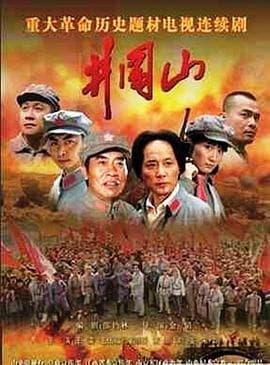
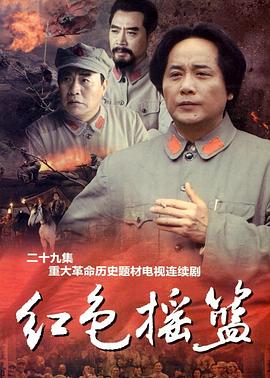
In 1927, Chiang Kai-shek and Wang Jingwei successively launched counter-revolutionary coups, and the Great Revolution failed. Facing a severe test of life and death, the Chinese Communists launched the August 1st Nanchang Uprising in order to save the crisis. The Orchid Revolution fired the first shot of armed resistance against the Kuomintang reactionaries. Seven days later, the Central Committee of the Communist Party of China held an emergency meeting in Wuhan. At the meeting, Comrade Mao Zedong put forward the famous assertion that "power comes from the barrel of a gun." After the meeting, Mao Zedong organized and launched the Autumn Harvest Uprising on the Hunan-Jiangxi border, flying the first military flag of the revolutionary armed forces under the leadership of the Communist Party of China. Due to the disparity in strength between the enemy and ourselves, the uprising failed. In order to preserve and develop revolutionary forces, Mao Zedong made a decisive decision, abandoned the attack on Changsha and retreated to Wenjia City, and led his troops to seek a foothold in Jinggangshan, where the enemy's control was relatively weak. When passing through Sanwan, Mao Zedong reorganized the team during his struggle with Yu Sadu and others, and creatively proposed important army-building principles such as "building the branch on the company", implementing the "three major democracies" and establishing a soldier committee, which gave the army a completely new look. With the help of He Zizhen and others, Mao Zedong obtained the support of Yuan Wencai and Wang Zuo, the leaders of the "Green Forest" in Jinggangshan, allowing the insurgent troops to gain a foothold in Jinggangshan. In the struggle to open up the Jinggangshan revolutionary base area, Mao Zedong advocated practical investigation and research
Boost tomorrow's productivity tonight. Tongbao VPN delivers fast, reliable access to global AI tools and office platforms. Sign up for 200MB free.



 0
0 0
0 0
0