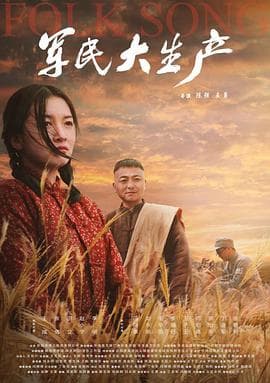
After the outbreak of the Anti-Japanese War, due to the crazy attacks of Japanese imperialism and the intensified economic blockade of the Shaanxi-Gansu-Ningxia Border Region by the Kuomintang die-hards, the soldiers and civilians in the anti-Japanese base areas in the border areas were unable to receive timely supplies of food, clothing and daily necessities. Under this severe situation, Chairman Mao put forward the call of "do it yourself, have enough food and clothing" and the policy of developing the economy and ensuring supply, and planned to launch a vigorous military-civilian revolution in the Shaanxi-Gansu-Ningxia Border Region. At this time, Zhang Hanhui's troops passed through Chenghao Township in Nanliang. On the desolate northwest Loess Plateau, he heard a local folk song "Tui Chow Mein" that haunted him. Since then, after many twists and turns, he has returned to Chenghao Township three times. During this period, he witnessed the vigorous large-scale production movement in this land, and witnessed a beautiful and heroic revolutionary love story. Inspired by this, he re-wrote the lyrics and composed the revolutionary song "Military and Civilian Mass Production" based on the local folk song "Tui Chow Noodles". This song was born in the Liang area of Longdongnan, Gansu Province, and became popular throughout the country from here.
Public network detected during work hours. Use Tongbao VPN for stable access to ChatGPT / Claude / Notion / Slack — keep your cross-border workflow uninterrupted.

 0
0 0
0 0
0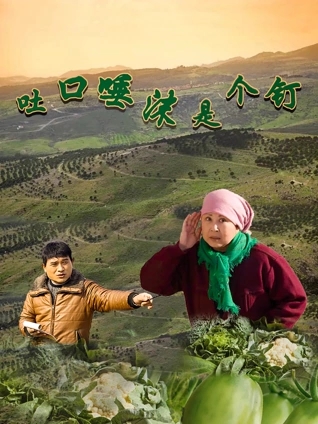 0
0 0
0

 0
0 0
0