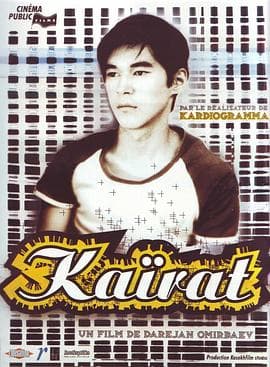
The Soviet coup on August 19, 1991 ended Gorbachev's regime. On this day, thousands of kilometers away, there was a little-known 33-year-old director in Alma-Ata, the capital of Kazakhstan (not yet independent at the time), filming his first feature film. At that time, no one knew that he was the widely discussed Omirbayev, a leading representative of the Kazakh New Film Movement. And his film "Kayha" has also become the dividing line between pre- and post-Soviet films in the history of film due to time and place. Kayiha, a 20-year-old country boy, got on the train to Almaty. He wanted to continue his studies, but because his classmates next door cheated, he was disqualified from the entrance exam. He remained in the city, training to drive a city bus. Until one day I met the woman I liked, Indira, who was a college student working during the summer. This film depicts the sad and late love story of a man and woman who are faced with uncertainties about the future when Kazakhstan must find its own way out due to the disintegration of the Soviet Union. The camera follows the protagonists as they move through the city, their emotions, mistakes and wanderings. Facing a city that needs to survive step by step, what every lonely and frightened individual relies on for survival is just their dreams.
Boost tomorrow's productivity tonight. Tongbao VPN delivers fast, reliable access to global AI tools and office platforms. Sign up for 200MB free.