Director:
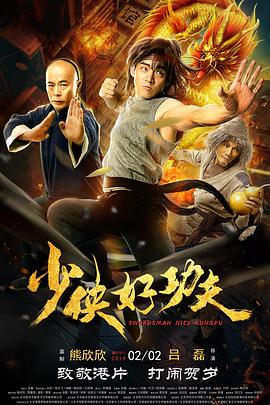
The characters in the play maintain a relaxed atmosphere in the film with a comedy performance style. In addition to embodying the traditional Chinese Confucian virtues of loyalty / filial piety / benevolence and righteousness / the character Ye Shaoxia's behavior is also influenced by Western concepts of equality and fraternity. Ye Shaoxia's own shortcomings in the early stages - his competitive youthful nature - also allowed him to add more color to his character in the process of inspiring and learning martial arts. The improvement of martial arts in the process is actually the shaping of the young man's character. In the beginning / he was bent on revenge. In the second half of the film / he took action more out of necessity / to protect his "family". The plot of revenge has already been relieved as the character grows. The film shows no mercy to the evil of the villain. The foreign forces represented by the villain make people feel the humiliation suffered by the people during the period when the story takes place. This will be a reasonable basis for the protagonist to show his abilities. It is not only a reflection / but also a metaphor that self-improvement will make the country strong.
Cast:
影片由一个少年学艺、为父报仇的故事展开,发展为一个抗击恶势力、维护家人利益的励志故事,主角叶少侠在尚武镇历尽艰辛吃尽苦头,最终成为一代大师。剧中人物以喜剧表演风格将影片维持在一个轻松氛围中,所塑造的叶少侠行为上除了体现中国儒家传统的忠孝仁义等优秀品质外,还带有西方泊来的平等博爱等观念的影响。而叶少侠初期自身缺点——争强好胜的少年心性,也让他在励志学武过程中更加的赋予人物色彩。过程中武艺精进,实则是