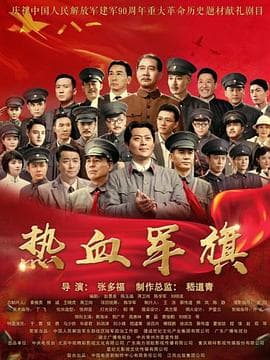
Before and after the "August 7th" meeting of the Political Bureau of the CPC Central Committee in 1927, pioneers represented by the Communist Party of China, including Mao Zedong and Zhu De, actively carried out exploration and practice in creating a people's army. After the success of the Nanchang Uprising on August 1, 1927, the troops implemented a strategic transfer south to Guangdong, and were bloody suppressed by the reactionaries in the Chaoshan area. Zhu De and others led the remaining revolutionary firepower to reorganize Raoping, staging northern Guangdong, and struggling to find the direction of the revolution. On September 9, Mao Zedong led the Autumn Harvest Uprising. Later, the troops moved to Yongxin, Jiangxi Province. They were reorganized in Sanwan Village, built the party branch in the company, and determined the direction of action to establish a revolutionary base in Jinggangshan. In the winter of 1927, the peasant movement was booming in Hunan. Zhu De took the opportunity to advance into southern Hunan and set off a riot in southern Hunan. Millions of peasant troops rose up. In April 1928, Zhu De led the Shonan Uprising Army and the Red Army led by Mao Zedong to successfully join forces in Jinggangshan. The people's army led by the Communist Party of China further developed and expanded. The spark of revolution finally became a prairie fire.
Boost tomorrow's productivity tonight. Tongbao VPN delivers fast, reliable access to global AI tools and office platforms. Sign up for 200MB free.