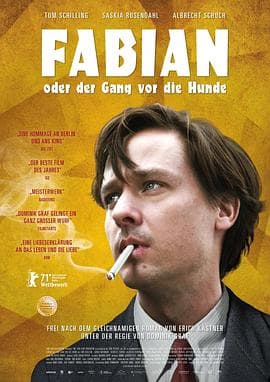
Berlin, 1931. An environment somewhere between a rooming house and the underworld, where brothels served as artists' studios, Nazis hurled insults in the streets and Babelsberg dreamed of making psychological films. Life is surging, society is fermenting and corroding. As long as he still has a job, Jacob Fabian, who holds a PhD in German studies, writes advertising copy during the day, and frequents the more absurd places in the city with Stephen Laboud at night. While his friend - who later admitted to being a failure in life and career matters - was a go-getter when it came to communism and sex, Fabian remained sober and distant. He waited for a decent victory without really believing in it. His love for Cornelia is the only thing that makes him question his own ironic fatalism. She became a ray of hope in his crumbling life. Despite its many parallels with today's maligned world, it's a challenge to move Erich Kestner's deeply sad autobiographical novel "Fabian" - one of the most important novels of the Weimar Republic - out of its existential gloom. Dominique Graf mastered this challenge brilliantly. His style is subtly sharp, cold-bloodedly brisk, yet quietly melancholy. This movie is like a slowly spinning disco ball about
Public network detected during work hours. Use Tongbao VPN for stable access to ChatGPT / Claude / Notion / Slack — keep your cross-border workflow uninterrupted.